

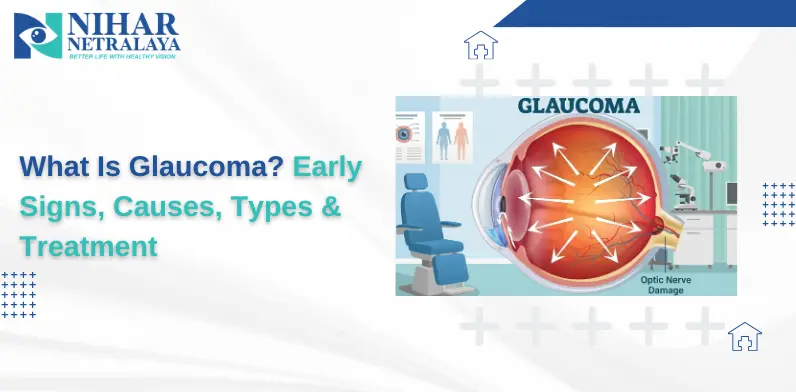
Patients often complain to me, “I feel like I need a brighter light to read”, “My glasses always feel dirty, no matter how much I clean them”, and “I see rainbow-colored rings around streetlights at night.” I advised them to do an eye pressure test, and they asked why I needed it, even though I had not felt any eye pressure. Here, we have to understand what glaucoma is.
Glaucoma is a silent eye disease that increases pressure inside the eye without any warning signs. It is the leading cause of irreversible blindness worldwide if it is untreated. Approximately 80 million people are affected by glaucoma worldwide. In India, around 12 million people have glaucoma, and by 2040, the number of people affected is expected to rise significantly.
The good news is that it can be prevented with early detection tests, proper treatment planning and Glaucoma Surgery. Let’s learn how you can catch glaucoma early and keep your vision safe for the future.
What is Glaucoma?
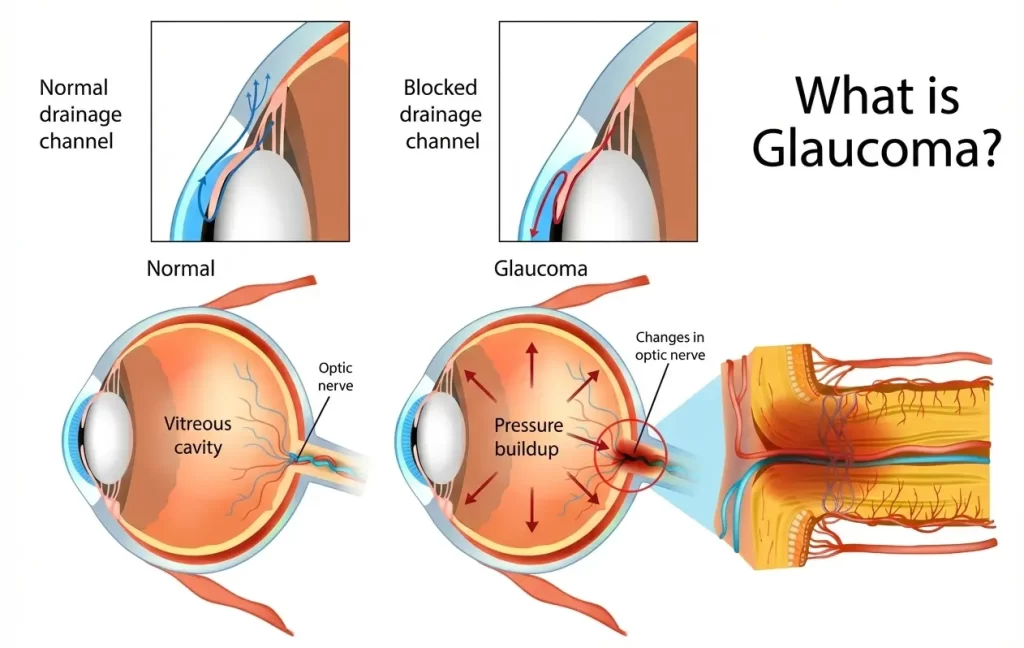
Glaucoma is a progressive eye condition that damages the optic nerve through high intraocular pressure. In simple words, imagine your eye as a “Digital Camera” that captures images. The optic nerve acts as a “data cable” that is a connection between your brain and eye. High pressure in the eye’s fluid pushes and crushes the connection. As a result, the individual wires in the cable start to break, leading to the brain being unable to receive pictures.
Glaucoma is mostly seen in people over 40 years of age. People in this age group should also stay aware of other vision conditions, such as the early signs of cataracts, which may develop gradually. In India, population-based studies report a prevalence of glaucoma ranging from 2.7% to 4.3% in individuals aged 40 years and older.
Cause of Glaucoma in the Eye
The main cause of glaucoma is high intraocular pressure. Your eyes continuously make an aqueous fluid (aqueous humour). It is a thin, watery fluid that lies inside the front of the eye. This fluid nourishes and maintains the shape of the eye.
Your eye is making fluid faster than it can get rid of it. This fluid flows out through the trabecular meshwork, where a drainage angle is formed (between the iris and the cornea). Extra fluid that cannot drain creates extra pressure, which hurts the optic nerve.
Types of Glaucoma
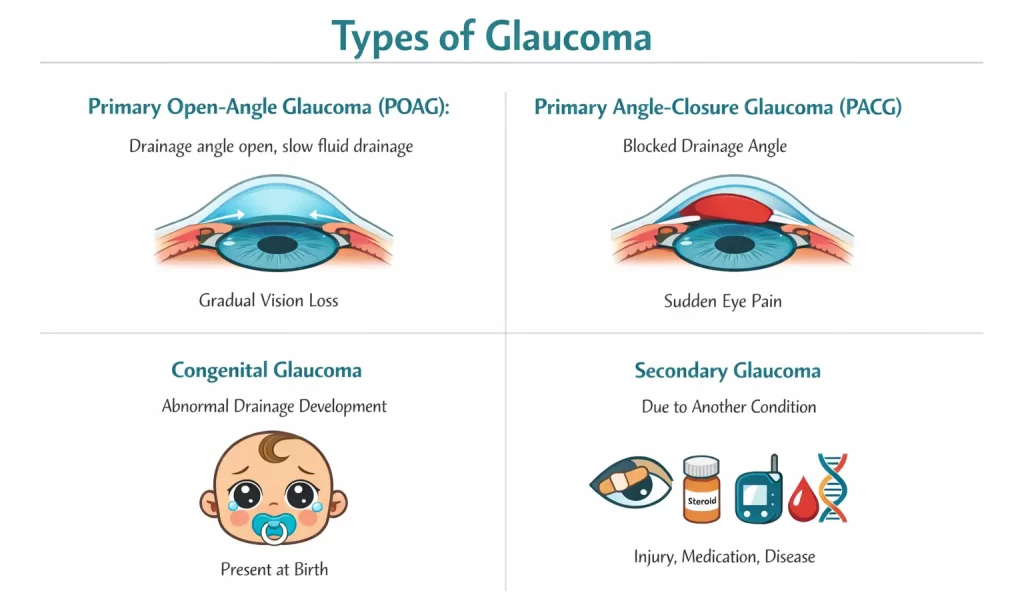
1. Primary Open-Angle Glaucoma (POAG):
This is the most common type of glaucoma. Here drainage angle is open, but the fluid drainge become slow. The patient doesn’t notice anything until the side vision is already gone.
2. Primary Angle-Closure Glaucoma (PACG):
This occurs due to “ Physical blockage”, where a bulging or swollen iris partially or completely blocks the drainage angle. It is less common but can be a medical emergency.
3. Congenital Glaucoma:
It is a rare condition that is due to the abnormal development of the drainage system. Defects can start in the womb, and symptoms may be present at birth or become clearly visible at 1-3 years of life. Parents should also stay alert to other early childhood vision issues like squint in children, which can affect visual development.
4. Secondary Glaucoma:
It is caused by a specific factor or another medical condition that makes the “drain” fail, like eye injuries and inflammation, steroid medicine, family history or diabetes.
Early Signs and Symptoms of Glaucoma
Early glaucoma is symptom-free because it initially affects peripheral vision (Side vision), without pain, while central vision remains normal. That’s why it is also called the “Silent thief of the eye” because it silently steals your vision. Patients engage in regular activities such as reading, watching TV, or other daily routines. Some people may confuse early symptoms with common problems like why eyes feel dry and irritated, which also affect visual comfort.
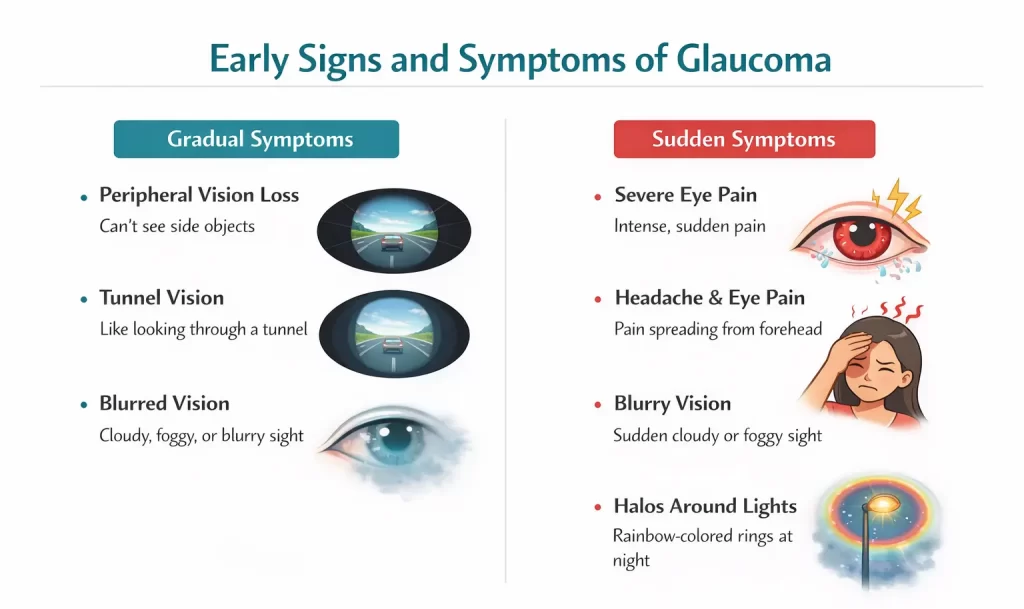
Gradual symptoms:
- Mostly seen in “Open-Angle Glaucoma”, which appears slow and hidden.
- Peripheral vision is lost, which means you can’t see side objects.
- Tunnel vision means you can only see straight ahead, like looking through a tunnel. Vision changes are sometimes mistaken for refractive errors, similar to what people experience with nearsightedness naturally.
- Blurred vision, a decrease in vision clarity, is often described as cloudy or foggy. Persistent blurry vision can also be related to screen overuse, which is called computer vision syndrome.
Sudden symptoms:
- This happens in “Angle-Closure Glaucoma”, which appears fast and painful.
- Severe eye pain that is intense and occurs suddenly.
- Headache with eye pain, because it is spread through the forehead.
- Vision changes, such as sudden blurred or foggy vision.
- Halos around light means rainbow-colour rings appear, especially at night.
Roughly 90-95% of individuals with glaucoma in India are unaware they have the condition. Because symptoms appear late, only early eye check-ups with the best eye specialist can detect it and prevent long-term vision damage.
Can Glaucoma Be Prevented or Cured?
Currently, there is no permanent cure for glaucoma. Any vision loss or optic nerve damage can not be reversed. Around 1.2 to 1.5 million people in India are blind due to glaucoma. While you cannot cure it, you can prevent, slow, or stop the progression of the disease. Routine monitoring, prescription drugs, and follow-up appointments are important for preserving remaining vision.
How Do You Prevent Glaucoma?
Here is the essential checklist for prevention:
- Regular Eye Check-ups After Age 40: Following healthy daily habits and basic eye safety practices can protect eyes from everyday harm and support long-term vision health.
- Eye Pressure Test (Tonometry): To measure intraocular pressure (IOP).
- Optic Nerve Examination: To check the physical damage of nerve.
- Visual Field Test: To help in finding side vision.
- OCT Eye Scan: A high-tech 3D map that measures the thickness of your nerve “wires.”
- Use Prescribed Eye Drops Regularly: To prevent irreversible vision loss.
- Avoid Self-Medicating with Steroids: It can increase eye pressure.
- Screen the Whole Family: Glaucoma is often genetic; family members of patients should be screened regularly.
Understanding glaucoma is the first step, but a professional diagnosis is important. In Indore, Dr. Nihar Garg at Nihar Netralaya provides expert care focused on early detection. The clinic has advanced testing, such as OCT and visual field mapping, to catch the ‘silent thief’ before vision is lost.
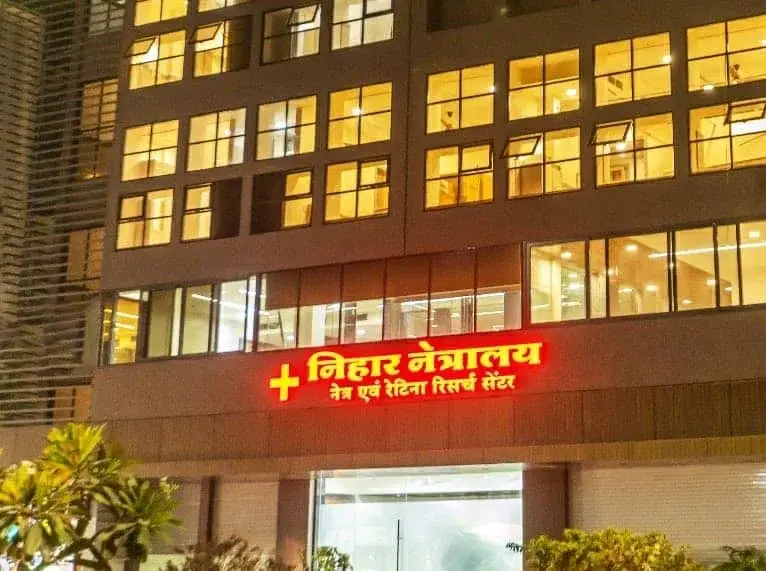
Dr. Nihar Garg is a Consultant Ophthalmologist and glaucoma specialist who provides comprehensive medical, laser, and surgical management tailored to each patient’s needs. Scheduling an early consultation is the most effective way to ensure long-term vision protection.
Final Thoughts
Glaucoma is a silent but serious disease. Because vision loss is permanent, early detection is your only defence. Regular eye exams protect your vision for life. Don’t wait for symptoms; consult the best glaucoma specialist in Indore today to secure your future. Your eyes quietly work for you every day; give them the care they deserve.
FAQs
The first stage, known as early glaucoma, usually has no noticeable symptoms. Vision appears normal, but subtle damage may begin in the optic nerve. Eye pressure may be slightly high, and tiny blind spots can form in side vision. It is usually detected only through tests like tonometry, OCT scan, and visual field examination.
Yes, early glaucoma is serious because the damage to the optic nerve is permanent. However, if detected early, treatment can slow or stop further vision loss and help preserve eyesight for life.
Glaucoma is detected through a complete eye check-up that includes eye pressure testing (tonometry), optic nerve examination, OCT scan, and visual field testing. Regular screening after age 40 helps detect it early.
Glaucoma is more common after the age of 40, and the risk increases with age. However, it can occur in younger adults and even in babies in rare cases.
Glaucoma usually affects peripheral (side) vision first. As the disease progresses, it can lead to tunnel vision and eventually impact central vision if untreated.
Yes. Early detection and proper treatment can slow down or stop the progression of glaucoma and help protect remaining vision.

[…] with glaucoma often need a more tailored IOL choice, since certain premium lens designs can affect contrast […]